
The Field Beyond the Field: On Rumi & Quantum Physics
Rumi was describing the zero point field eight hundred years before physicists had instruments to measure it. His most quoted line opens with an invitation past judgment, out to a field where the usual categories stop applying. The same idea keeps resurfacing across very different disciplines: beneath the world of separate things sits a single, undivided ground.
Out beyond ideas of wrongdoing and rightdoing,
There is a field. I'll meet you there.
When the soul lies down in that grass,
The world is too full to talk about.
Ideas, language, even the phrase each other
Doesn't make any sense.
-Rumi
The poem
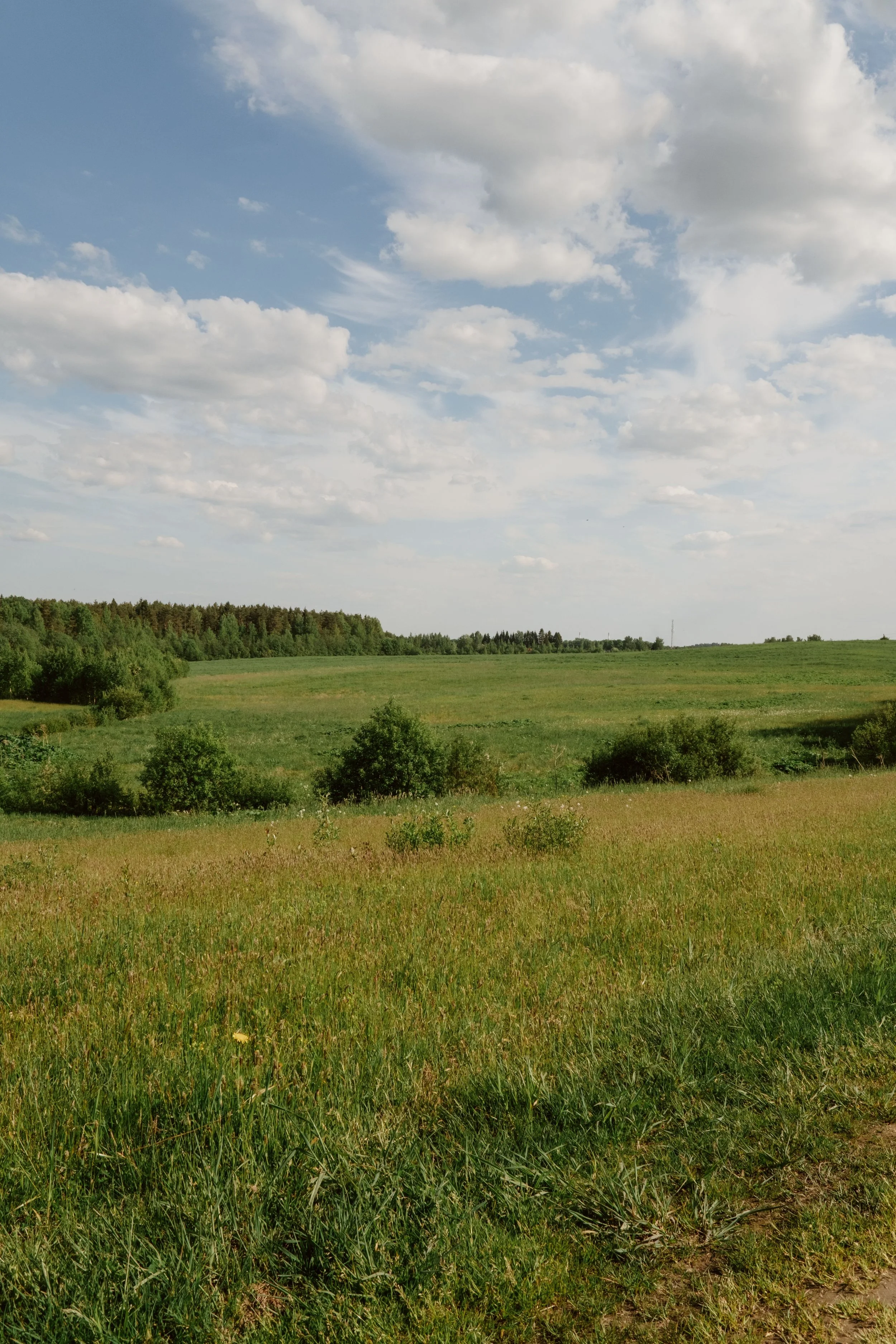
Rumi's field lies beyond wrongdoing and rightdoing. Not a compromise between the two, not some grey area where you split the difference, but a different location altogether, one that doesn't run on that axis at all. The soul lies down in that grass, and the world grows too full to talk about. Language stops being useful.
The grass is metaphor, not geography. Rumi isn't describing a meadow anyone could walk to. He's describing a state of awareness that exists prior to the mind's habit of sorting experience into right and wrong, this and that, self and other. The field is consciousness itself, met directly, before it splits into opposing categories. The soul lying down there isn't resting anywhere physical. It's awareness settling out of the sorting, into what sits beneath it.
Rumi isn't asking for belief. He's offering a meeting place, an undivided awareness available now rather than somewhere far off. The movement is away from abstraction, away from right and wrong as mental categories, toward the consciousness those categories arise within to begin with. The field isn't an idea about unity. It's what remains once the mind stops producing ideas and awareness simply rests in itself.
A recurring idea
Rumi's field has counterparts everywhere people look closely at the nature of reality, whether they arrive by way of meditation, physics, or clinical research. Mystics call it undivided awareness, or the ground of being. Physicists call it a unified field. Consciousness researchers call it a nonlocal field of mind. The vocabulary shifts with the discipline, but the claim underneath stays constant: separateness is what things look like from the surface, while something continuous holds beneath it.
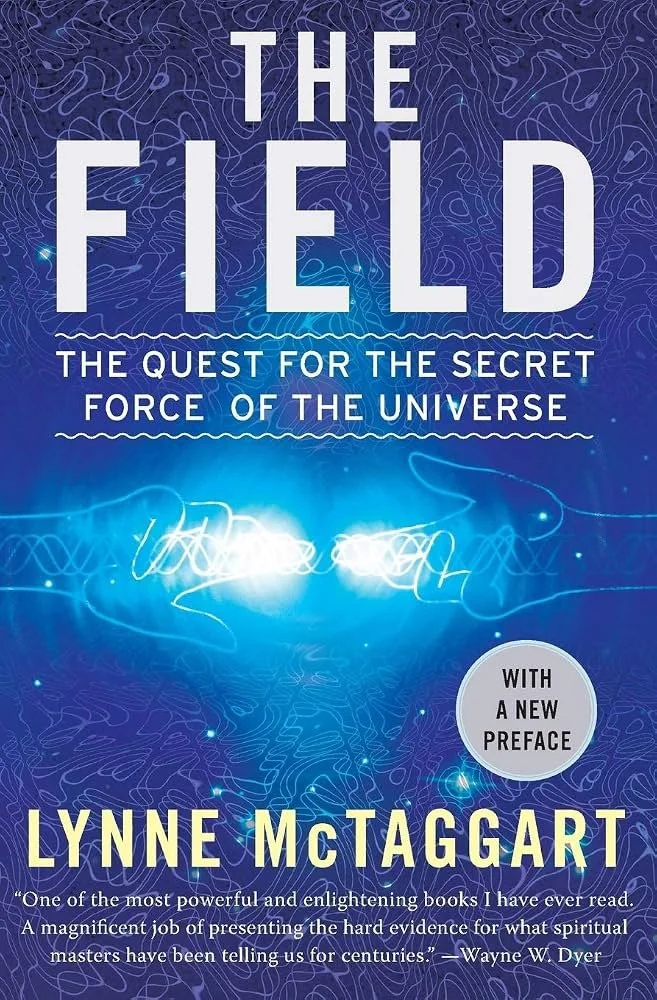
Lynne McTaggart's aptly titled book The Field is one well-known way into this territory, though far from the only one. Her reporting follows what physicists call the zero point field, an underlying substrate of energy so pervasive that even empty space is never truly empty, the ground state beneath every particle, every interaction, every measurement. McTaggart's case is that separation, at this level, is more provisional than final. Objects and people who appear distinct and disconnected turn out, at the level of the field, to be continuous, one underlying medium expressing itself as apparent multiplicity. She draws on research suggesting living systems, and even human intention, register in that substrate in ways ordinary mechanical physics can't account for.
The book earns its place as an entry point precisely because it stays in reporting rather than mysticism. It belongs to a much larger conversation, one that spans unified field theories in physics, biofield research in medicine, and centuries of contemplative reports describing this same undivided ground from the inside. Rumi arrived there first, with poetry instead of instruments.
Same claim, different instruments
Right and wrong is simply the example Rumi reached for, likely because it's the pair people cling to hardest. The deeper claim underneath is structural: ordinary perception generates division, and beneath that dividing activity sits an awareness in which the division hasn't yet occurred.
The scientific and clinical versions of this idea, McTaggart's work among them, sketch a parallel architecture with instruments instead of poetry, though the field they describe is physical rather than a direct account of consciousness. A field beneath separate objects. A field beneath separate people. What a person perceives as distinct particulars, the raw material judgment and a sense of separateness are built from, behaves less like freestanding things and more like waves on the surface of something continuous. Rumi points toward consciousness prior to division. Physics points toward a substrate prior to division. Not identical claims, but the same shape: apparent separateness resting on undivided ground.
Neither account treats the surface as false. Rumi still wrote poems full of specific images, specific griefs, specific joys. Researchers in this field still report specific studies with specific data. Distinction is not an illusion to be ignored entirely. It rests on something prior and unified, something a person can, in certain states, contact directly rather than only infer.
Why this matters

The connection runs deeper than a literary parallel. It changes how separateness can be held day to day. Most of what causes friction between people, judgment, blame, the sense of being fundamentally cut off from someone else's experience, rests on the assumption that separateness is the final word. Loosen that assumption, treat separateness as provisional rather than absolute, and the ground shifts beneath an argument, a moment of forgiveness, a season of grief, an ordinary afternoon.
The broader field of research McTaggart's book represents gives that shift a vocabulary that requires for no leap of faith. The substrate connecting living systems has been measured and studied across multiple disciplines, no doctrine required to take it seriously. What Rumi points to needs no physics background to recognize, only a nervous system settling into stillness while the noise of judgment quiets, however briefly, in the middle of an otherwise ordinary day.
That field, that undivided ground, has been there all along, beneath everything people usually attend to instead.